Fairy Lights, Feedback and the Half-Hour Before Doors: A Village Folk Night in Available Light
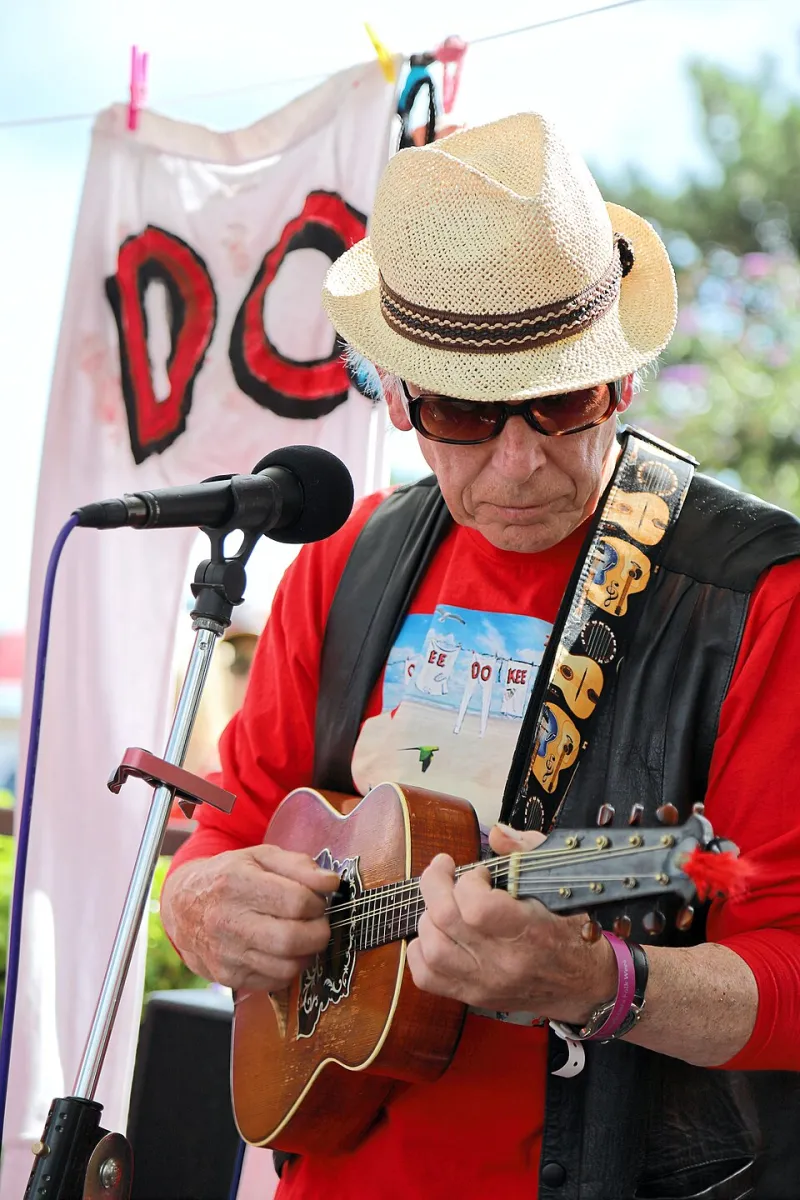
Photo: Acabashi, CC BY-SA 4.0, via Wikimedia Commons
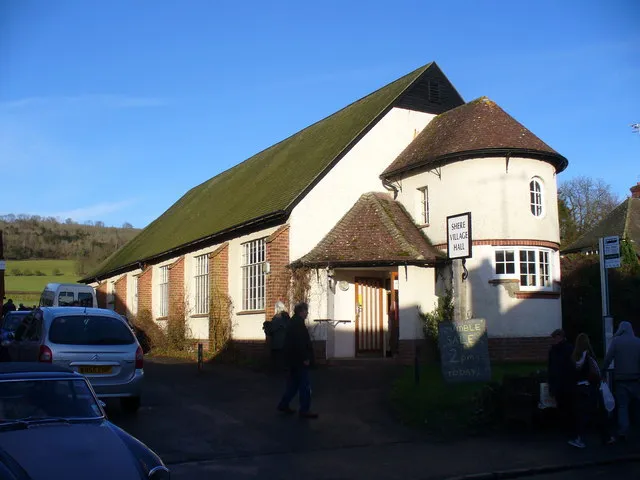
The hall smells of floor polish and squash. There's a trestle table by the door with a raffle and a honesty tin, a run of fairy lights stapled along the picture rail sometime in the last decade, and three mismatched par cans pointed hopefully at a corner that someone has decided is the stage.
It's the sort of gig I'd choose to photograph over a black-box venue every time — not because it's easier, because it isn't, but because the room is honest. Everything you need to know about the night is in the light that's already there. You just have to be willing to work at 6400 and stay out of everybody's way.
Seven o'clock is the best light of the night
The sound check is the part nobody photographs. The stage lamps are up full because the tech is still focusing them. The house lights are on. The band are in jeans, half-listening to each other, and the fiddler is doing that thing where she plays the same eight bars over and over with her eyes shut. Nobody is performing yet, which is precisely why it's worth having the camera out.
Ask the organiser beforehand — never assume — then spend fifteen quiet minutes working the room. The sound check gives you the clean, well-exposed frames of the night: fingers on strings, the set list taped to a monitor, two people laughing at a lead that won't stop humming. In the dark of the second half you'll be chasing those frames. Here they come to you.
Read the room before you read your settings
A village folk night has at least four light sources and none of them agree. The par cans are tungsten, warm and hard-edged, and they'll blow out a forehead at three paces. The fairy lights are dim, decorative and about 2700K. The fire doors, propped open because the room is warm, spill a slice of blue-white daylight or sodium streetlight across the back third of the floor. The bar has a fridge with a glow like a small moon.
Decide a white balance and then leave it alone. I'll set for the stage lamps and let the fire-door light go cold — that contrast is half the character of the picture anyway. Chasing it frame by frame produces a set that looks like four different nights.
Settings that survive a dim back room
ISO 6400 is normal here, not a failure. A fast prime helps enormously: a 35mm f/1.4 or an 85mm f/1.8 will get you to 1/125 at 6400 in a room that looks impassable. Expose for faces rather than the stage; a slightly dark room with readable faces is a photograph, a correctly exposed backdrop with orange blobs for heads is not. Underexpose by a third to two-thirds of a stop when a par can is hitting a white shirt, and check the histogram rather than the back screen, because the back screen always lies in the dark.
If the stage uses LED, watch for banding — try a couple of test frames before the first song and drop your shutter to 1/60 if the stripes appear. And put the camera in silent mode. There is nothing that kills a quiet number faster than a shutter going off like a stapler in a library.
Where to stand so you're not the support act
Rule one: never cross the front during a song. Move in the applause, or during the tuning, or not at all.
I work a small rotation. Back of the room, shooting over shoulders and past heads, which puts the audience in the frame and tells the story better than a clean shot of the band. Side-on from the piano end, low, catching the singer's face lit by a single can. A seated position on the floor by the radiator for the quiet songs, where the fairy lights fall across the fretboard. And the doorway at the back, silhouetting the whole room against the fire-exit glow.
Between positions, watch the sightlines. If somebody's grandmother has to lean around you to see the fiddle player, you're in the wrong place, and you'll hear about it at the raffle.
The moments between the songs
Half the photographs live in the gaps. The singer retuning and pulling a face at the capo. Two band members swapping a look after a verse that went slightly wrong. The six-year-old asleep across three chairs at the back. The pint resting on the floor monitor. The organiser slipping behind the bar to change a barrel mid-set.
These frames need patience more than settings. I'll hold focus on a face and wait through a whole verse for the moment they look up. Reactions are the story of a folk night, and they happen in the darkest part of the room — so pre-focus, brace against a chair back, and take the shot when it arrives rather than firing hopefully for four minutes.
The interval changes everything
The room warms up, literally. Windows fog, the air thickens, contrast drops, and by the second set your images will be softer and warmer whether you like it or not. That's not a problem — it's the texture of a real night in a real hall.
Use the interval to shoot the raffle, the tea urn, the knot of people by the door, the band eating crisps out of the packet. Then for the closer, get to the back and shoot wide, letting the fairy lights string across the top of the frame and the audience's shoulders fill the bottom. That's the picture the organiser will actually want on the village Facebook page in the morning.
No flash, and not just for the obvious reason
Flash at a folk gig doesn't only break the mood. It changes the behaviour of everyone in the room, and a room that's behaving for the camera is no longer worth photographing. The whole appeal of a night like this is that it hasn't been styled for anybody. Work with what the hall gives you, come away with grain and colour casts and a bit of noise, and hand it over within the week while people still remember the last song.