Trestle Tables and Treasures: A Natural-Light Portrait of the Village Hall Jumble Sale
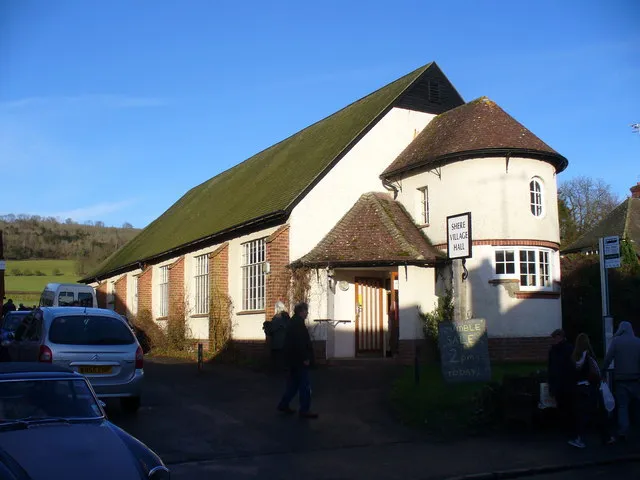
Photo: Colin Smith, CC BY-SA 2.0, via Wikimedia Commons
A village hall jumble sale is one of the most honest events in the British calendar. There is no stage, no lighting rig and no schedule worth the paper it is printed on. There is just a room full of trestle tables, a tea urn doing its best, and a community quietly rearranging itself around other people's cast-offs. Photographically, that is gold. But it is also chaos, and chaos does not respond well to a photographer who arrives with a shot list and a bossy voice.
The trick is to treat the jumble sale as a portrait session that happens to be inside an event. You are not there to document every table. You are there to notice the people who make the place feel like itself: the volunteer who has been up since seven, the grandmother holding a lampshade up to the window, the child trying on a hat three sizes too big. Work quietly, work quickly, and let the room stay a room.
Start With the Room, Not the Raffle
Before you lift the camera, walk the hall. Look at where the light is actually coming from. Village halls are usually blessed with high windows down one side and a set of double doors at the back, which means you have two usable pools of daylight and a lot of gloom in between. Do not fight the gloom. Use it. Put people near the windows, or near the doors when they are propped open, and let the middle of the room stay soft and busy.
If the day is grey and wet, the light through those windows will be broad and forgiving. That is a gift. You can shoot at a higher ISO than you might like and still get something that feels like the room rather than a noisy mess. A 35mm or 50mm lens is plenty. Keep the kit small. A big bag and a second body make you look like you are covering a conference, and people behave differently around a photographer who looks like they might stay for hours.
The People Behind the Tables
Volunteers are the spine of the jumble sale. They are also the most likely to say yes to a portrait, because they have been standing there for two hours and are secretly delighted someone has noticed them. Ask once, cheerfully, and do not make a production of it. 'Do you mind if I take a quick picture of you behind the table?' is usually enough.
Photograph them doing something. Hands sorting a pile of children's jumpers. A teacup halfway to the mouth. The moment they lean over to help someone find a matching saucer. These are the portraits that will feel like the place in ten years' time. A straight-on smile is fine, but it is the small actions that carry the story.
Be careful with the table itself. A trestle table is a barrier and a stage at the same time. If you shoot from the customer side, you get the volunteer framed by their own stock, which is often lovely. If you step behind the table, you get the room from their point of view. Do both, but ask first. Nobody wants to be surprised by a camera in the cake stall.
Let the Hunters Hunt
Families arrive with a purpose. They are not browsing; they are hunting. A parent holding up a coat against a child's shoulders. A teenager pretending not to care about a box of records. A dad examining a drill with the solemnity of a museum curator. These are the frames that make a jumble sale feel alive.
Do not interrupt the hunt to ask for a posed smile. Wait for the pause. Wait for the moment someone holds something up to the light or turns to show their friend. That is when the face does something real. If you need to move, move slowly and stay out of the aisle. The aisle is the event's main road, and blocking it with a photographer is the fastest way to become the least popular person in the hall.
The Small Still Lifes
Between the people, photograph the things. This is where a jumble sale gives you something a formal event never will: the accidental still life. A row of chipped teapots on a paper tablecloth. A folded stack of baby clothes with the labels still on. A box of paperback novels arranged by someone who clearly cared. A cluster of mismatched plates catching the window light.
These frames do not need people in them to tell a human story. They are the evidence of the community: what it owns, what it passes on, what it is willing to let go of for 50p. Shoot them close, shoot them low, and keep the background simple. A shallow depth of field helps, but do not turn the whole day into a blur. You want the place to be recognisable.
Working Quickly Without Being Rude
A jumble sale has its own rhythm. The first rush is intense. Then it settles. Then the raffle happens, and then everyone leaves. You have maybe two hours of usable energy. Use them.
Keep your approach light. Ask before photographing anyone close up. Respect a no. Do not photograph people's purchases in a way that makes them feel mocked. Do not linger on a child without a parent nearby. If someone looks uncomfortable, lower the camera and smile. The whole point is that this is a friendly room, and the photographs should feel like they belong to that friendliness.
When someone asks what you are doing, tell them the truth: you are making a portrait of the village hall on a Saturday morning. Most people will understand that immediately. Some will offer you a cup of tea. Accept it.
What to Leave Out
The raffle table is usually a visual dead end. The tombola is a lovely thing to experience but a difficult thing to photograph. The official notices on the wall, the fluorescent strip lights, the back of someone's head in the foreground: leave them out unless they are doing real work.
You are not making a record of every stall. You are making a set of portraits that add up to a place. That means choosing the frames that feel like the room, not the frames that prove you were there.
The Frame That Feels Like the Place
The best jumble sale photograph is usually the one with a bit of mess in it. A volunteer laughing behind a pile of shoes. A child half-buried in a rail of coats. A window full of grey November light and a table full of other people's lives. You cannot plan those frames. You can only be ready for them, keep your kit small, and remember that the room is the client.
Christopher James Ryan Photography is built on natural light, real people and stories that happen where they happen. A village hall jumble sale is all three at once. Bring a small camera, a quiet approach and a willingness to let the bric-a-brac do some of the talking. The portraits will look after themselves.