The Kitchen Table Is the New Studio: Family Portraits That Actually Feel Like You
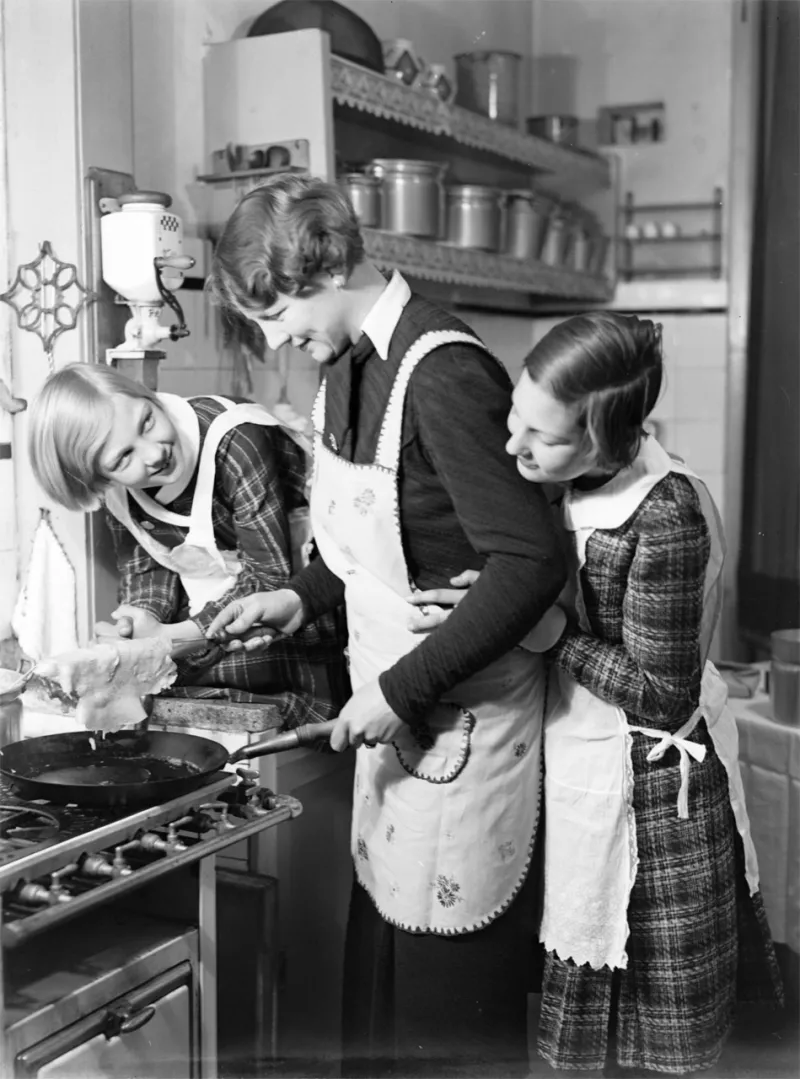
Photo: Nationaal Archief, No restrictions, via Wikimedia Commons
I have never believed that families look most like themselves in a studio with a grey backdrop and a bowl of artificial flowers. They look like themselves in kitchens, with a kettle boiling and a child refusing to wear socks. That is the honest starting point for my family portraits. The location is not a prop; it is part of the story.
The studio isn't neutral
Studios can be beautiful. They can be controlled, warm and dry. But they ask families to step out of their lives for an hour and perform a version of family life. Children are told to sit still. Parents are told to smile. Everyone is aware of the backdrop. The result can be perfectly nice and slightly forgettable. I want photographs that feel like evidence, not evidence of a photoshoot.
What a kitchen actually gives you
A kitchen gives me window light, texture and things to do. A child on a stool buttering toast is easier to photograph than a child told to look at the camera. A dog under the table, a favourite mug, a stack of bills and a half-decorated birthday cake all say something about the life happening in that room. The kitchen is also where families are most relaxed. They know where the biscuits are. They know how to be themselves.
Light first, tidying second
Parents often apologise for the mess before I've even taken my coat off. I usually ask them to leave it. A little clutter is not the enemy. Bad light is. Turn off the overhead lights, open the curtains and let everyone face the window. If the room is dark, move to the brightest room in the house. Don't deep-clean the whole place; just move one chair or push a laundry basket out of the frame. The goal is not a show home. The goal is your home.
A recent session: flour, wellies and a missing sock
Last month I photographed a family in Sheffield. The plan was pancakes. The youngest had one sock on and flour in his hair within ten minutes. We shot at 10.30am beside the kitchen window, using the soft light coming through the blinds. No flash, no backdrop. Then we went into the back garden in wellies and photographed the muddy handprints by the door. The grandmother's mixing bowl made it into almost every frame. When the family saw the gallery, they chose the messy ones first. The posed ones were fine. The real ones were them.
Practical natural-light tips for parents
Find the window, not the wall. Put faces towards the glass and let the light fall across the room. Switch off ceiling lights, which flatten everything and cast odd shadows. Choose morning or late afternoon if you can; midday sun is harsh, but even then a sheer curtain can help. Wear something you would actually wear, and avoid everyone matching. Give children a job, such as pouring, stirring or choosing a toy. Plan around mood, not just nap time. A hungry toddler is not a lighting problem. And please don't worry about the floor.
The case for the unposed frame
Posed portraits have their place. I take them. But the photographs families come back to are often the in-between moments: a parent laughing mid-sentence, a child caught halfway through a story, a teenager rolling their eyes with affection. Those frames don't happen on a schedule. They happen when people stop waiting for the photograph and start living the moment. That is why I work in everyday UK spaces. A local park, a back garden, a favourite walk or the kitchen table can hold more meaning than any studio set.
How to book a session that feels like you
Tell me about your home and the light you have. We can start at the kitchen table, move to the garden and finish with a walk to the local park. Sessions usually run for forty-five to ninety minutes. There is no need to deep-clean or dress everyone in beige. If the weather turns, we can stay inside and use window light. The best family portraits are not made by a perfect location. They are made by letting the ordinary be enough.