Reading the Sky: How to Time a UK Wedding Day Around Natural Light in 2026
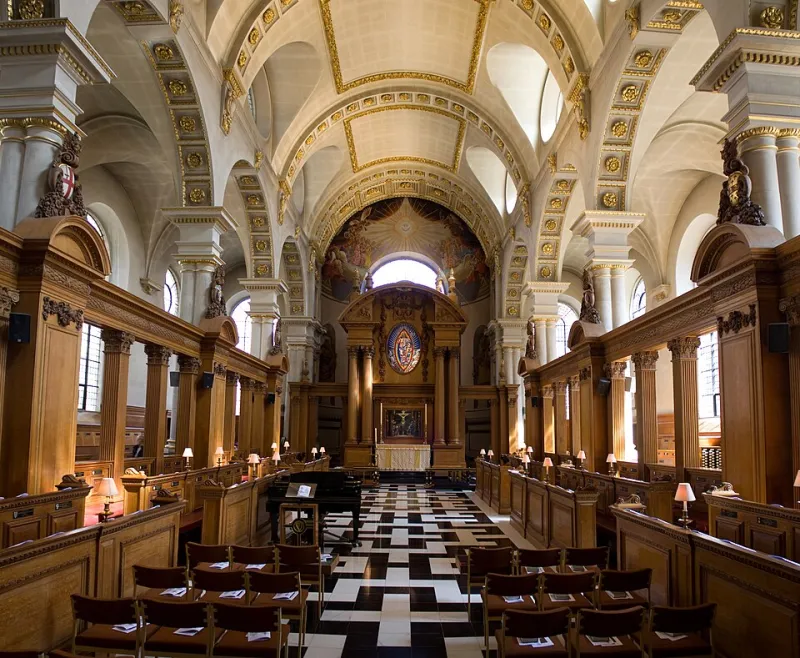
Photo: Johan Bakker, CC BY-SA 3.0, via Wikimedia Commons
Natural light is the quiet guest at every UK wedding. It won't ask for a seat at the top table or a vegetarian option, but it will shape how your day looks in photographs. After years of photographing couples in barns, churches, register offices and back gardens, I've learned that the best wedding timelines are not built around a shot list. They're built around the sky.
Why UK light refuses to follow a script
British weather gets the blame, but latitude and season matter just as much. A June evening in Cornwall can still be glowing at 9.30pm. A December afternoon in the Scottish Borders can be losing light before 3.30pm. Generic wedding timelines often assume a neat golden hour at 6pm. In the UK, that is rarely true. Start with your venue's sunset time for your actual date, then work backwards.
Spring: soft starts and sudden showers
March to May gives you gentle, low light and a fair chance of rain. Ceremonies at 1pm or 2pm tend to sit nicely, with couple portraits around 4pm. Overcast skies are not a disaster; they act like a giant softbox. At a barn wedding near Henley last spring, we moved portraits from 3.30pm to 4.45pm because a shower rolled through. The wet stone and clearing sky gave us far better photographs than the original plan. Leave room for a shower and don't panic if the sun disappears.
Summer: the long, late gift
June to August is the generous season. The light hangs around, which means you can split portraits into two short sessions instead of one long one. In southern England, the softest light often arrives between 8pm and 9.15pm in late June. At a Norfolk coastal wedding, we did first dances at 7.30pm, then stole out at 8.40pm for fifteen minutes on the beach. The couple got their golden-hour frames without missing dinner. If you want that warm, low light, don't schedule it at 6pm and hope. Check the sunset and plan a late escape.
Autumn: golden windows and early dusk
September to November is my favourite stretch for UK weddings. The light turns amber, the air softens, and the window for portraits narrows quickly. Late September might still give you a 7pm glow. By late October, plan portraits before 4.30pm. At a Lake District elopement in October, we photographed at 3.15pm as mist lifted off the fells. If your ceremony is at 3pm, consider a first look or couple portraits before the ceremony. It sounds unconventional, but it can be the difference between having light and chasing it.
Winter: blue hours and indoor window light
December to February asks for a different approach. Don't fight the short day. Use window light for preparations, schedule the ceremony for late morning if you can, and plan portraits for around 2pm. Blue hour after sunset can be beautiful, but it is brief and needs a steady hand. At a London register office wedding in January, we used twenty minutes of pale afternoon light in a nearby square, then went inside for window-lit family groups. Nobody missed the flash.
Building a buffer into your timeline
Natural light is not a plug-in. It cannot be switched on when the speeches finish early or delayed because the registrar is running late. Build in fifteen to twenty minutes of buffer around portraits. Have a wet-weather plan that isn't just 'we'll see'. A church porch, a covered colonnade, a marquee with open sides or a bright hotel corridor can all work. Tell your venue and photographer what matters most to you. If golden hour is the dream, protect it.
Behind the scenes: three timings that worked
At an Oxfordshire barn in June, we held group photographs at 3pm in open shade, then did couple portraits at 8.45pm for fifteen minutes. At a Norfolk beach wedding in September, the ceremony was at 3pm, portraits at 4.15pm, and sunset at 6.45pm. At a Lake District elopement in October, the ceremony was at 11am, portraits at 1.30pm, and blue hour at 4.45pm. None of these days relied on flash. They relied on leaving space.
A final word on golden hour
Golden hour is lovely, but it is not a guarantee. The best UK wedding timelines are flexible, weather-aware and built around your venue's real light. If you're marrying in 2026, start with the sunset time, add a buffer, and tell your photographer what you actually want. The sky will do the rest.