The Workshop Is the Set: Natural-Light Portraits for Makers and Creative Clients
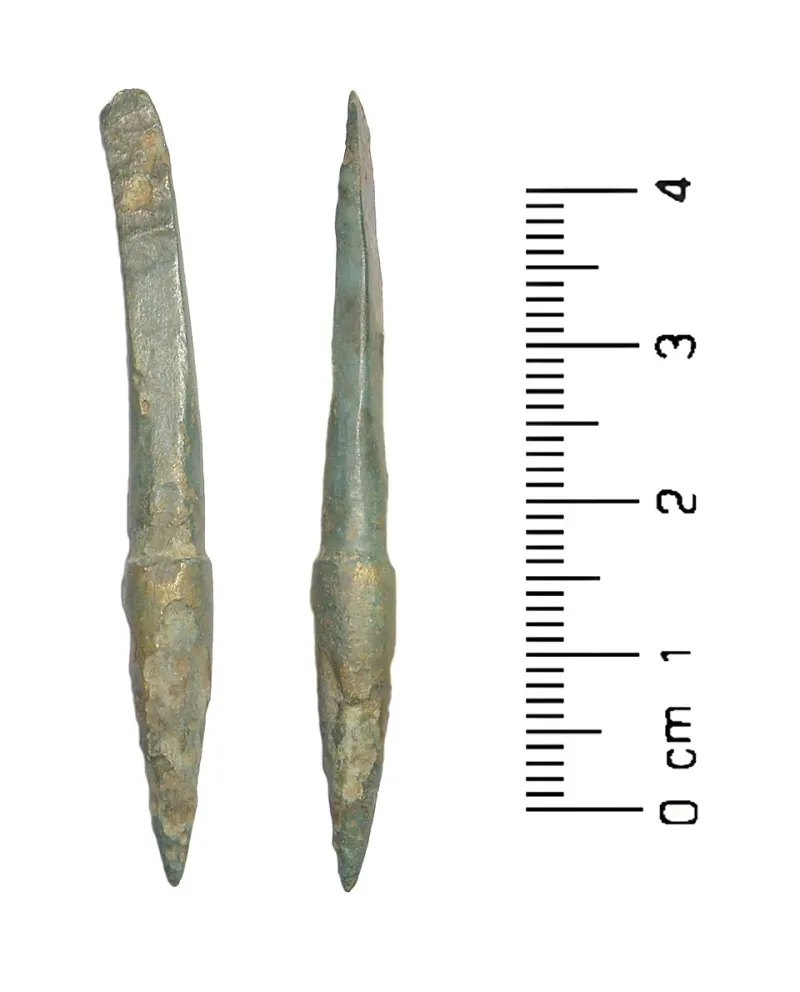
Photo: Birmingham Museums Trust, Angie Bolton, 2007-07-02 18:56:25, CC BY-SA 2.0, via Wikimedia Commons
A headshot is not a story
Creative businesses are often sold the same portrait formula as everyone else: clean background, tidy shirt, neutral expression, done. It is fine for a directory listing. It is not much use for telling anyone what you actually do.
A maker's work is full of texture — clay under the nails, sawdust on a sleeve, a half-finished piece on the bench. Those details are not mess to be hidden. They are the story. At Christopher James Ryan Photography, the brief for a creative client is less 'stand there and look professional' and more 'show me where the work happens'.
Plan the session like a studio visit
Start with a conversation, not a shot list. Ask what they make, which tools matter, which part of the process they are proud of and what is currently half-finished. Ask for a tour of the workspace. You are looking for two or three zones with good light and enough room to move.
Schedule around the window, not around midday. In a UK winter, useful natural light can be short; late morning to early afternoon is often the sweet spot. Give the session ninety minutes rather than thirty. A studio visit has a pace of its own. Rushing it makes the photographs look rushed too.
Find the window, then move the bench
Natural light is the whole point. Find the largest window in the workshop — ideally one without direct sun blasting through — and move the workbench or stool into that pool of light. A voile curtain is a cheap diffuser. Turn off overhead lights if they are mixing colour temperatures. Switch off the phone torch. Let the window do the work.
A white card or a sheet of foam board can bounce a little light back into the face or the hands. If the workshop is dark, do not fight it; use the contrast. A shaft of light across a workbench can be more interesting than a perfectly even exposure.
Hands, tools and half-finished things
Photograph the hands early, before the subject gets self-conscious. Hands shaping clay, threading a needle, sharpening a chisel, sorting through a drawer of buttons. These frames say more about craft than any folded-arms portrait.
Then look at the tools and the work in progress. A half-finished piece on the bench is honest. It shows process, not just product. Include a wide shot for context, a medium shot with the maker in the space and a few details of the things they touch every day. The in-between moments — reaching for a tool, checking a seam, wiping a hand — are often the ones that feel most like them.
What to wear and how to pace it
Wear what you would normally wear to work. An apron is good. Sawdust is good. A corporate suit in a pottery studio looks like a mistake. Bring a mug of tea and build in breaks. You do not need to deep-clean the workshop; tidy one corner if it helps, but leave the honest texture alone.
If the maker is nervous, give them something to do. Ask them to demonstrate a step, fetch a favourite tool or explain a technique. People relax when they are talking about their work rather than being asked to perform for the lens.
Why these images work harder for a creative brand
A good workshop portrait answers three questions at once: who is this person, what do they make and what would it be like to work with them? That is useful on an About page, in a newsletter, on social media and in press coverage. It gives a small creative business a visual language that is specific rather than generic.
It also ages better than a trend-led headshot. Tools change, work changes, but the story of a person making something by hand remains useful. For UK makers selling craft, local production or small-batch work, that authenticity is not decoration. It is part of the trust-building.
Keep a clean headshot in the mix
If a client also needs a straightforward portrait for LinkedIn or a directory, take one in the same session. Stand them near the window, keep the background simple and shoot it after the workshop frames. But start with the story. The clean headshot is a useful extra; the workshop portrait is the one that does the heavy lifting.
The workshop is already the set. It just needs the right light and enough time for the maker to forget they are being photographed.