A Shelter, a Shopfront, a Slice of Real Life: Family Portraits on the Everyday High Street
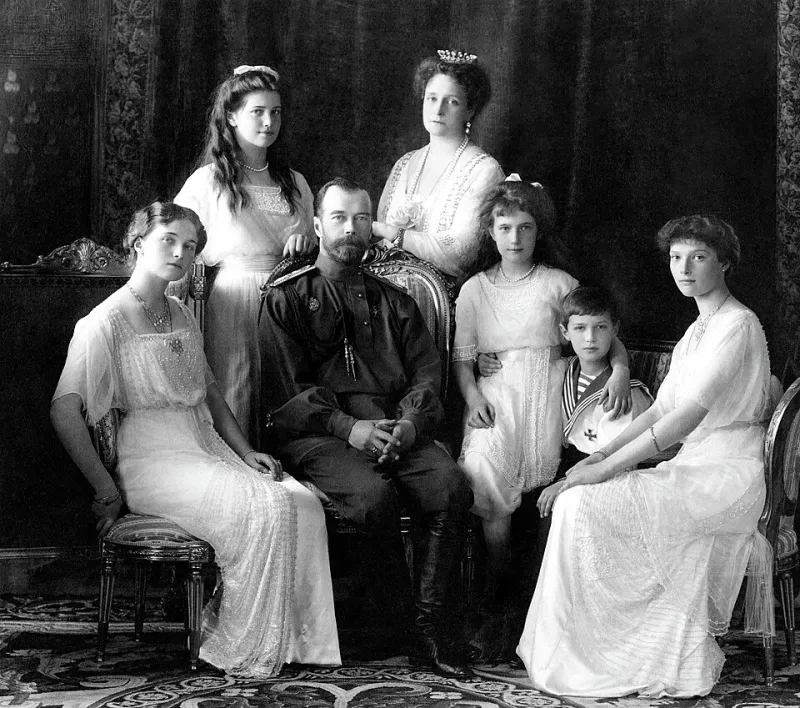
Photo: Boasson and Eggler St. Petersburg Nevsky 24., Public domain, via Wikimedia Commons
Most family portraits begin with a decision about where to go. A studio, a park, a National Trust house with a decent lawn. All fine. But after years of photographing people in natural light, I keep coming back to the least glamorous option on the list: the ordinary street where they actually live. The bus shelter, the corner shop, the stretch of pavement outside the chippy. Not because it looks cool in a contrived way. Because it looks like them.
This is an argument for the high street as a portrait set. Not every high street, and not every picture. But if you want family photographs that feel less like a performance and more like a record of a life, the pavement outside your local shop is a better starting point than most people think.
The high street does the emotional work for you
A studio is neutral. That is its appeal and its problem. There is nothing in the room to react to, so everyone waits for instructions. A familiar street gives people something to do. Children know the route to the shop. Adults know where they stand to avoid the puddles. Someone leans on the bus shelter without being asked. Someone else checks the timetable out of habit. Those small, unplanned actions are often more useful than any pose.
UK streets are also full of ready-made texture: red brick, pebbledash, painted shopfronts, scratched bus shelter glass, a bright awning over a fruit and veg display. You do not need to dress the set. You just need to notice what is already there and decide which bits help the story. A plain wall beside a bakery can be a better backdrop than a manicured garden, because it belongs to the family's everyday life.
Scout the light before you scout the story
Walk the route at the time you plan to shoot. This matters more than finding the prettiest shop. Look for open shade, a deep awning, a north-facing wall, or the soft light under a bus shelter roof. On an overcast day, the whole street can behave like one big diffuser. On a sunny day, you need to be more deliberate: keep faces out of hard patches of sun and use the shade of a building as your studio.
Shop windows can bounce light back into a face, but they can also mirror a busy background. Check both. Look at where the background is brightest and where a subject's eyes will catch the light. A shopfront with a pale wall opposite is often a gift. So is a pavement that is dry and light-coloured, because it lifts the shadows under a chin.
Do not choose a spot just because the sign is colourful. A bright logo behind someone's head will pull the eye away from the face. The best ordinary locations are visually quiet in the right places: a simple door, a stretch of wall, a shelter frame. The street can be busy, but the portrait still needs a centre.
Permission, politeness and the passer-by problem
A public pavement is generally fine for a small family shoot, but it is not a private studio. Do not block a doorway, a bus stop or a crossing. If you want to use a shopfront as a backdrop, ask the owner first. Most people say yes if you are quick, polite and not in the way. Avoid private forecourts and anything that looks like someone's front garden. If a council officer or security guard asks what you are doing, explain calmly and move on if needed. A good photograph is not worth an argument.
Passers-by are part of the deal. Someone will walk through the frame. Someone will stop and watch. Someone will ask if you are doing a magazine shoot, which is always charming. My approach is to pause, smile, take two frames, and let the moment pass. Do not photograph strangers as part of the set unless they are actually part of the family. And choose your timing: early Sunday morning, a quiet weekday afternoon, or a short window before the school run can make a busy high street feel almost private.
Directing so it feels like life, not a prop
This is not street photography. It is a family portrait with context. The difference is that you are still directing, just gently. Give small tasks rather than poses. Ask someone to wait for a bus that is not coming. Ask a child to check their pockets for the bus fare. Ask the family to share a bag of chips on the wall outside the shop. Ask them to walk towards you and tell you what they are having for tea.
The setting should not become a comedy prop. If the bus shelter is the spot, use it because the family actually waits there, not because it looks quirky. If a child wants to stand by the bin, listen. It might be funny. It might be their favourite place to lean. The best frame is often the one just after the prompt, when everyone has stopped performing the instruction and started being themselves again.
A thirty-minute route that works
Keep it short. One block is enough. Start at the bus shelter for a warm-up, because it gives people somewhere to sit or lean. Move to a shopfront with an awning for a group picture. Use a plain wall for individual portraits. Finish with a walking shot along the pavement. If it rains, the shelter becomes the whole studio. If the sun comes out, find the shade and carry on.
You do not need a lighting bag for this. A white shopfront, a pale pavement or a light wall can bounce enough light back into a face. What you need is patience, a route you have walked beforehand, and the willingness to look a bit odd while you wait for the right moment.
The pictures you will actually recognise
A stately home can make a beautiful photograph. But it rarely makes a photograph that says this is our Tuesday. The high street does. It gives you the shop where they buy milk, the shelter where they wait in the rain, the wall where someone always stops to tie a shoe. Those details are not glamorous. They are specific. And specific is what makes a family portrait last.