Twenty Minutes, One Window, No Meltdowns: A Family Portrait Plan for Autumn Weekends
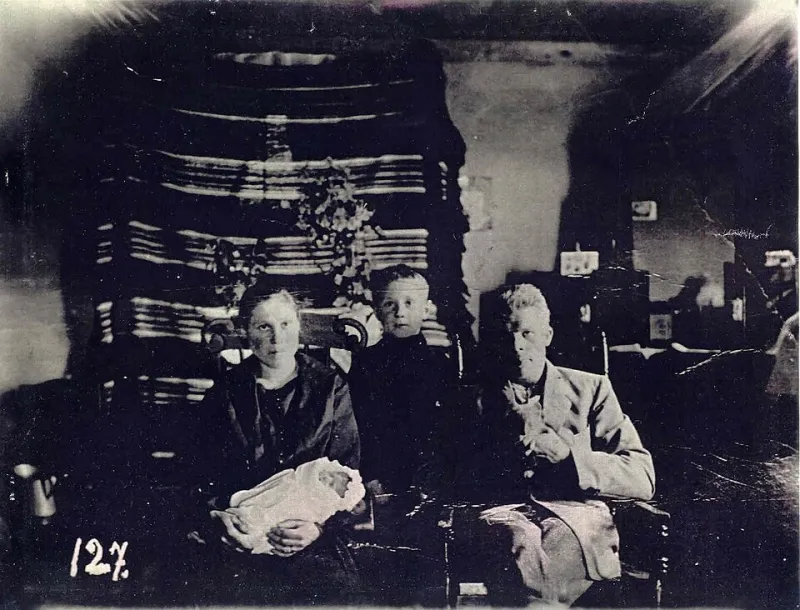
Photo: Harri Blomberg, CC BY-SA 3.0, via Wikimedia Commons
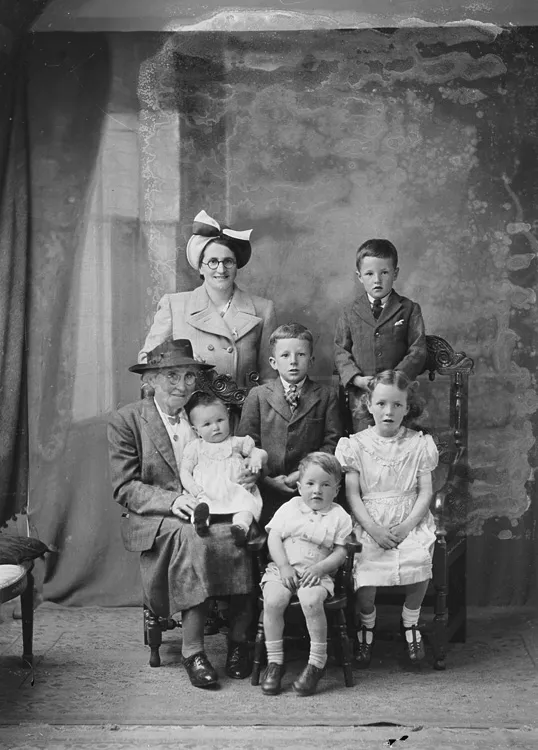
Autumn weekends in the UK have a way of filling themselves. Saturday morning football, a birthday party in the village hall, the weekly shop, maybe a muddy dog walk. By the time you have done all that, the light is already going and nobody wants to stand in front of a backdrop for an hour. The good news is that you do not need an hour. A twenty-minute family portrait, timed properly and shot in decent window light, can give you images that feel far more like your family than a longer, more formal session ever would.
Why short often beats long
Children have a shelf life in front of a camera. So do adults. Twenty minutes creates a small, useful urgency: everyone knows it will be over soon, so they relax. A longer booking can work beautifully for formal portraits or a big extended-family group, but for everyday family photographs in natural light, short and well-timed is usually the better bet. The aim is not a hundred options. It is five or six frames that feel true.
There is also something freeing about knowing you have not given up a whole afternoon. You can do the portraits and still get to the garden centre, the pub, or the sofa. That lack of pressure shows in the pictures.
Scout the light before you book anything
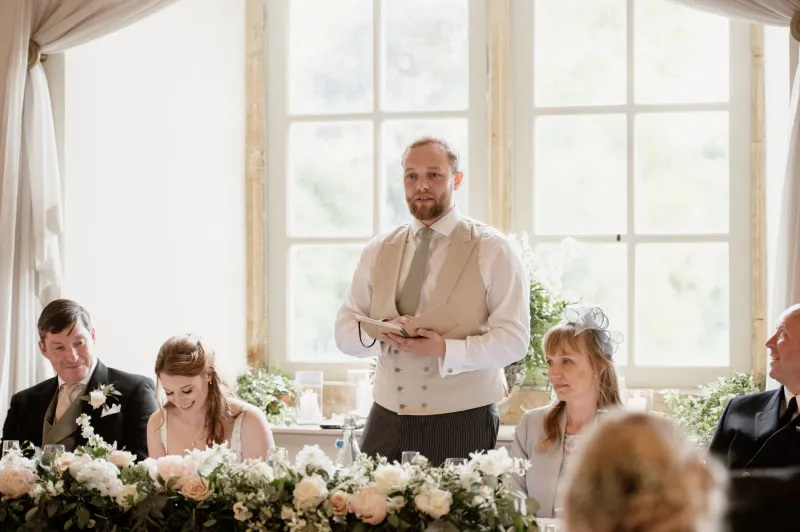
At home, find the largest window in the house. North-facing is lovely if you have it, but any big window without direct sun blazing through will work. In November, late morning to early afternoon is usually the sweet spot. Move a chair, clear the clutter from the sill, and test the light with your phone before the day itself. You will quickly see where faces fall into shadow and where the light is soft enough to flatter everyone.
If home is too small or too chaotic, look nearby. A village hall with tall windows, a library, a National Trust cafe with a quiet corner, or a park shelter with open sides can all serve as a makeshift studio. Overcast days are not a problem. In fact, a grey Sunday often gives you the softest, most even light of the season. Avoid direct sun on faces. Use a doorway, a porch, or the shaded side of a building.
A realistic twenty-minute plan
0 to 3 minutes: arrival, coats off, no camera. Let everyone settle. Put the kettle on if you are at home.
3 to 6 minutes: one relaxed group shot near the window. Standing, not lined up like a football team. Let people touch each other — a hand on a shoulder, a child on a hip.
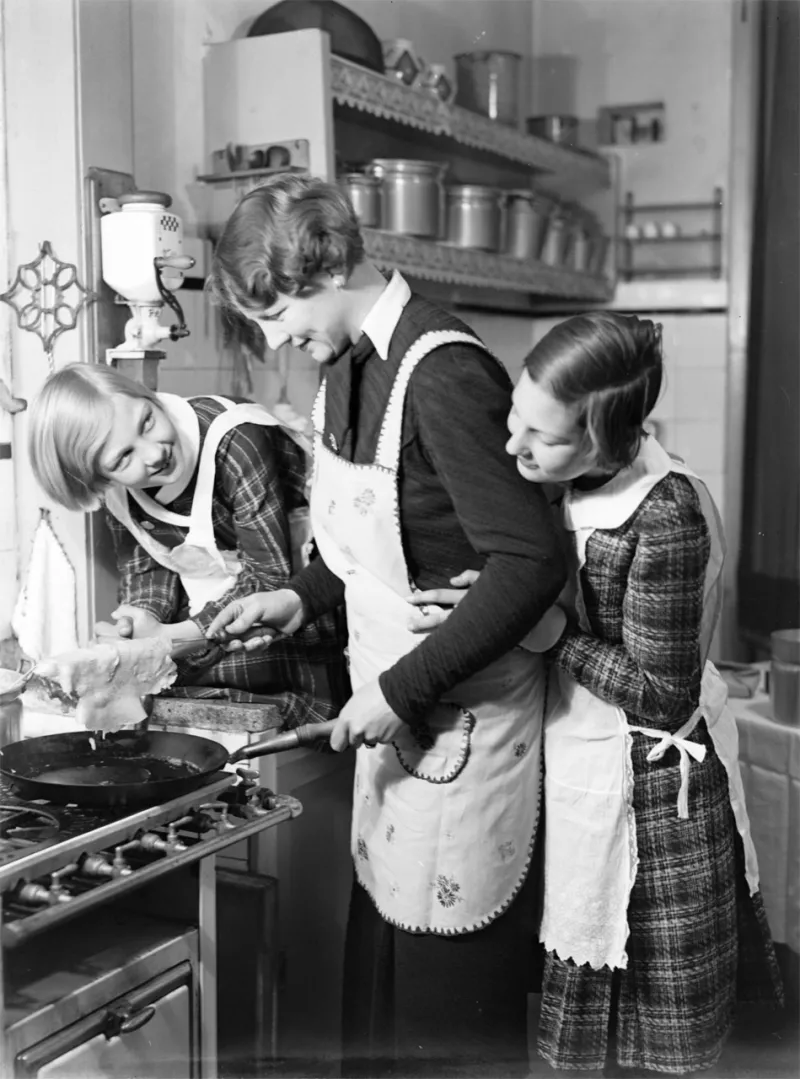
6 to 10 minutes: pairs. One parent with each child, then swap. These are often the frames families treasure most.
10 to 14 minutes: individual portraits. Keep them short. Use a silly prompt rather than a serious one.
14 to 18 minutes: movement. Walking towards the camera, a tickle, a whisper, a piggyback. Movement hides stiffness.
18 to 20 minutes: one final wide shot, then stop. Put the camera away. Do not review every image on the back of the screen. Give the children a snack and let them go.
Three prompts that actually work
First, ask a child to tell you the worst thing that happened at school today. You will get a real expression — usually a mix of outrage and delight — rather than a staged grin.
Second, ask them to whisper a secret to their grown-up. Heads come together, hands land on arms, and the picture becomes about connection rather than performance.
Third, ask them to walk towards you and stop when they are nearly touching noses. It sounds ridiculous, which is exactly why it works. The movement gives you something to photograph and gives them something to do.
Avoid say cheese. Avoid look at me. Avoid just one more. Those phrases have ruined more family portraits than bad weather ever could.
What to wear, and what to ignore
Do not match everyone in white shirts and jeans. Choose tones that work with your home and with autumn: oatmeal, navy, rust, soft green, denim, corduroy, wool. Texture photographs beautifully. Logos and cartoon characters date quickly and pull the eye. Comfort matters more than perfection. A child in an itchy jumper will let you know about it within thirty seconds. Bring a spare layer for the toddler and do not worry about ironing everything.
The case for doing it now
November light is soft, low and forgiving. The clocks have gone back, so afternoons are short, but late morning is often lovely. You do not need golden hour. You do not need a dry day. You need a window, a bit of patience and a realistic plan.
If you have been putting off family portraits because it feels like a production, try the twenty-minute version instead. One window, three prompts, a fixed finish time. The result will not look like a catalogue. It will look like you.