The Sofa, the Garden Gate and the Biscuit Tin: A Three-Generation Portrait That Works
Photo: Russel Wills , CC BY-SA 2.0, via Wikimedia Commons
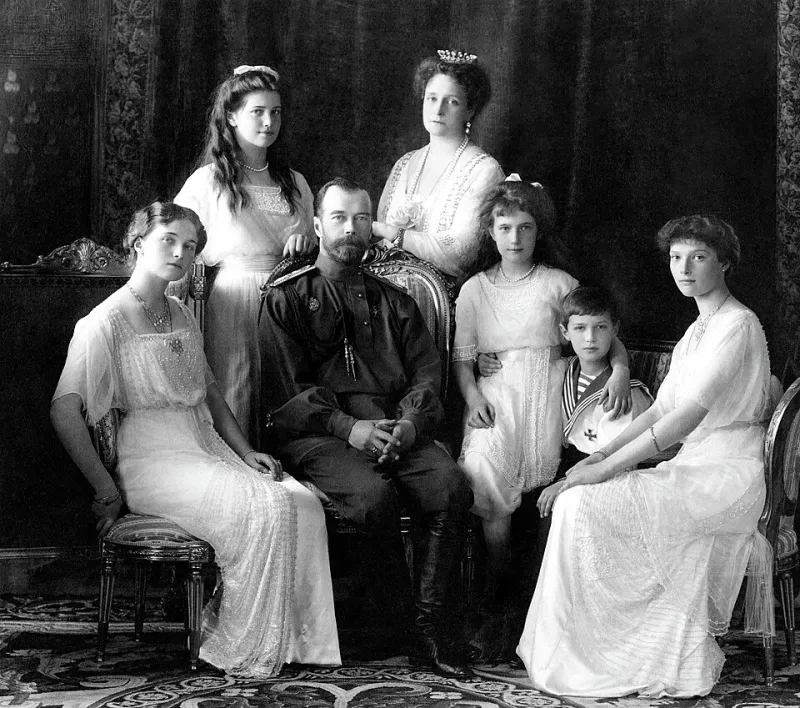
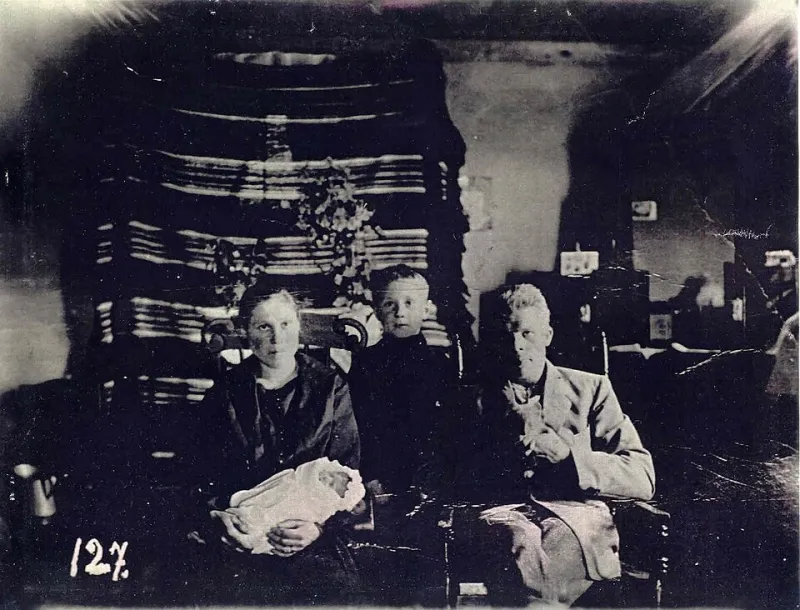
A three-generation portrait is not a formal line-up with a toddler wedged between two chairs. It is a record of how a family actually behaves when everyone is in the same room: who makes the tea, who reaches for the biscuit tin, who quietly moves the dog off the good cushion. The photographs that mean something later are rarely the ones where everybody is looking at the camera at once. They are the ones where everybody is looking at each other.
That is the starting point for any session that includes grandparents, young children and a pet. Less lining up, more storytelling. But storytelling still needs a plan — especially when one person needs a stair-free route to the garden and another needs a nap by two o’clock.
Start with the house, not the poses
If the session is happening at home, the first location scout is usually the kitchen. It has the best light, the most useful props and the least precious furniture. A grandparent can sit at the table with a mug while a toddler climbs onto a lap and the dog investigates the floor for crumbs. That is already a photograph.
For families meeting in a local park or garden, think about access before you think about backdrops. A flat path, a bench with arms, a gate that opens wide and a short walk from the car will do more for the mood than a prettier view at the top of a hill. In the UK, that often means a council park with a café, a National Trust garden with a shuttle buggy, or simply the back garden with the washing line taken down. The best location is the one that lets everyone arrive without already feeling tired.
Nap times are not negotiable
A toddler’s mood is not a detail. It is the schedule. If the session includes a child under four, the golden window is usually after breakfast and before lunch, or after a proper nap and before the late-afternoon slump. Trying to squeeze in a portrait between nursery pick-up and tea is how families end up with photographs of a very smart outfit and a very unhappy face.
Grandparents often have their own rhythm too. A long drive, a warm room and a big lunch can make the afternoon feel longer than it looks on paper. Build in a pause. Ten minutes with a cup of tea is not dead time; it is the moment everyone stops performing and starts relaxing.
The dog is not a prop
A patient dog is a gift, but it is still a dog. It will hear the neighbour’s gate, smell the biscuits and decide that the exact centre of the group is the best place to lie down. That is fine. Some of the best frames are the ones where the dog is doing its own thing while everyone else laughs at it.
Bring a familiar blanket or bed, a few treats and a person who is genuinely happy to hold the lead. If the dog is older or easily spooked, keep the session short and let it wander in and out of the frame. Do not ask a pet to hold a pose for twenty minutes. Ask it to be nearby. The photographs will be better for it.
Prompts for grandparents
Not everyone enjoys being told to smile. Grandparents in particular often have a lifetime of formal photographs behind them, and they know exactly how they feel about standing in a row. Give them something to do instead. Ask them to tell the child about the first record they bought. Ask them to show the dog a trick. Ask them to hold hands and walk towards the camera, rather than sit and wait for it.
Small directions work better than big ones. ‘Look at her’ is easier than ‘look happy’. ‘Tell him the story about the caravan’ is easier than ‘act natural’. For a three-generation group, I often start with the oldest and youngest together, then add the middle generation, then swap pairs. It keeps the energy moving and stops anyone from feeling pinned down.
A short shot list, not a regime
A useful plan might include: one wide frame of the whole group in the garden; one close frame of grandparents with the child; one of the parents watching from the doorway; one of the dog asleep under the table; one of everyone walking back up the path. That is enough. The rest is conversation.
If mobility is a consideration, build the session around seated positions and short walks. A garden bench, a kitchen table, a low wall by the front door and a sunny sofa can all do the same job as a studio set. The aim is not to make the house look like a studio. The aim is to make the family look like themselves.
The photographs you will actually frame
The frames that last are rarely the most polished. They are the ones where Grandpa is mid-sentence, the toddler is reaching for his glasses, and the dog has just realised there is cake. A three-generation portrait should feel like an afternoon in a real family home — a little untidy, a little unpredictable and full of people who are glad to be there.
That is the story worth photographing. The biscuit tin is optional, but recommended.