The Lead Stays On: Family Portraits That Make Room for the Dog
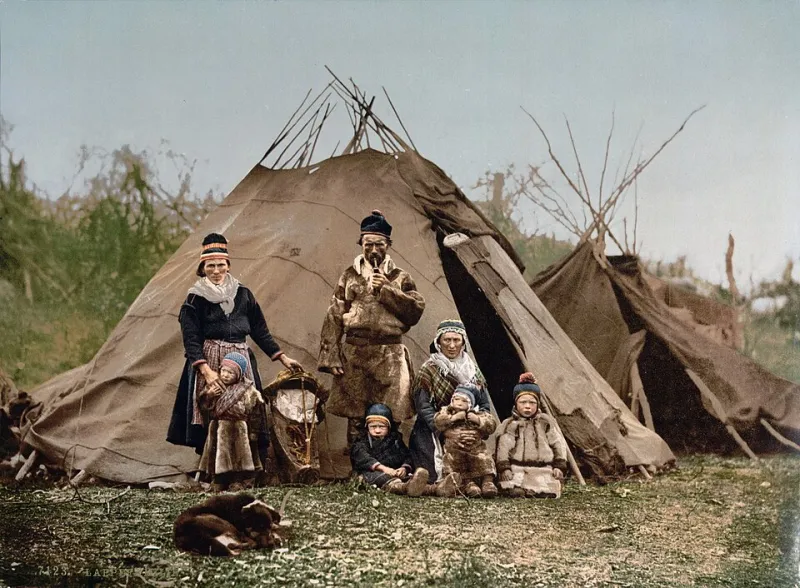
Photo: Unknown authorUnknown author, Public domain, via Wikimedia Commons
A family portrait without the dog can feel like a Sunday roast without the gravy. Technically complete, but missing the point. The trouble is that pets do not read briefs, do not understand the phrase 'just one more', and have a deeply personal relationship with the concept of sitting still. That is not a problem to be solved. It is the material.
This is not a guide to getting a dog to pose like a show champion. It is a plan for making room for the family pet in a natural-light portrait session — so that the dog, cat or rabbit is genuinely in the photographs rather than awkwardly cropped out of them.
Start With the Pet's Diary, Not Yours
Before you pick a park or a doorstep, think about when your animal is at their best. A young dog is often wired at dawn and wired again at teatime. An older dog may be stiff first thing and happier after a gentle potter round the block. A cat will have strong opinions about any location that is not the sofa.
For natural light, the usual rules apply: early morning and late afternoon give softer shadows, and a bright overcast day is often kinder than hard midday sun. But the pet's mood comes first. A slightly grey afternoon with a relaxed dog will beat a golden hour with a frantic one.
UK parks and gardens are ideal because they offer shade, open space and places to pause. A doorstep or front garden can work beautifully too — it is familiar territory, which matters enormously for nervous animals. If you are using a public park, check the busy times. A quiet corner at 8am is a different location from the same corner at 11am on a Saturday.
What to Bring, and What to Leave in the Car
A short kit list helps everyone relax:
- A familiar lead, even if you plan to be in an enclosed garden.
- Small, high-value treats. Tiny pieces are better than a handful — you want attention, not a full meal.
- A favourite toy, but choose carefully. A squeaky toy can light up a dog for thirty seconds and then overexcite them for the next ten minutes.
- Water and a bowl, especially in warmer weather.
- A towel. British weather does not need an explanation.
- Poo bags. Always.
Leave the elaborate outfit for the humans. For pets, a simple collar and a clean lead are usually enough. If your dog wears a harness, that is fine — it is part of who they are. Trying to remove every sign of real life often makes a portrait feel stiffer, not smarter.
The Shot List That Survives a Wagging Tail
You do not need twenty poses. You need a handful of good starting points, then space for the unplanned stuff.
- Everyone together, pet included. Not a formal line-up. Sit on a bench, a picnic blanket or the garden step, and let the dog settle where they naturally want to be.
- The close-up. Hands on fur, a chin resting on a knee, a cat weaving between ankles. These small frames often carry more story than a full group shot.
- The walk-away frame. Walk together along a path and look back. A dog on a lead, moving naturally, gives the photograph energy.
- The pet solo. Give them thirty seconds on their favourite spot — a garden wall, a sunny patch of floor, the passenger seat of the car if that is their happy place.
- The doorstep portrait. Everyone on the step, dog at the front, cat in the doorway if they are willing. It is a classic for a reason.
- The quiet in-between. The dog shaking after a stroke, a child burying their face in fur, the rabbit flopping over mid-session. These are the frames that make people say, 'That is exactly them.'
Keep each setup short. Thirty seconds to a minute is plenty. If the dog wanders off, let them. A reset is cheaper than a forced pose.
The Unposed Frames Are the Real Ones
Some of the best pet portraits happen when nobody is performing. The dog flops onto a child's lap between setups. The cat appears in the background of a family frame and refuses to leave. A rabbit decides the picnic blanket is the best thing since hay.
This is why it helps to work in short bursts and stay ready between them. The camera does not need to be clicked off after every 'official' shot. The lead can stay on. The treat bag can rustle. The dog can be a dog. The photograph is often in the second after the pose falls apart.
For Nervous, Older and Very Small Animals
A nervous dog does not need a new park and a crowd of strangers. Start at home, or in a quiet garden, and let them come to the camera rather than the other way round. Avoid looming over them, avoid direct eye contact if they find it intimidating, and give them a safe space to retreat to. If they stay under the table for the first ten minutes, that is fine. Some of the best frames happen when they decide to join in.
Older animals need comfort over cleverness. A favourite mat, a shorter walk, no stairs, no lifting if they dislike it. If they are stiff, a portrait on their bed can be just as powerful as one in the middle of a bluebell wood.
For cats and rabbits, familiar territory is everything. A home session with a window and a favourite blanket will usually beat a strange outdoor location. Keep the session short, skip the flash, and let them set the pace. The result may be one perfect frame rather than fifty, but it will be true to them.
A Final Word on Leads and Collars
Some people worry that a lead ruins the photograph. In most cases, it does not. A lead is part of a real family day out. If it bothers you, choose a simple one and keep the handling relaxed. Never let a dog off the lead in an unfamiliar place just for a photograph. The portrait is not worth the risk.
What matters is that the animal is safe, comfortable and allowed to be themselves. The family pet is not a prop. They are the one who makes the house feel like home — and the portrait should feel like that too.